I’ve been covering gaming long enough to know when something is actually changing versus when it’s just marketing hype.
You’re here because the gaming world moves too fast. One month everyone’s talking about cloud gaming, the next it’s AI NPCs, and you’re left wondering what actually matters.
Here’s the truth: most trend pieces are garbage. They either rehash press releases or chase whatever went viral on Twitter last week.
This article is different.
I’m breaking down the five trends that are genuinely reshaping how we play, how games get made, and where the industry is headed. Not the buzzwords. The real shifts.
At TPort Game Tek, we spend hundreds of hours playing games, talking to developers, and digging through market data. We see what’s working and what’s flopping before it becomes obvious to everyone else.
You’ll walk away understanding which game trends from ThePortableGamer are worth paying attention to and which ones you can safely ignore.
No fluff. No predictions pulled from thin air.
Just what’s happening right now in gaming and why it matters to you.
Trend #1: AI-Powered Worlds and Intelligent NPCs
I’ll be honest with you.
The first time I had a real conversation with an AI-driven NPC, I forgot I was playing a game.
No dialogue wheel. No preset options. Just me typing what I actually wanted to say and the character responding like a real person.
That’s where we are now with tportgametek game trends from theportablegamer. And it’s changing everything.
Beyond the Same Old Scripts
Remember when NPCs would repeat the same three lines every time you walked past them? Yeah, those days are done.
Generative AI lets characters react to what you actually do. You steal from a merchant in one town and word spreads. NPCs in the next village treat you differently. They remember.
Some developers worry this makes games too unpredictable. Too hard to control the narrative. And sure, there’s risk there.
But players don’t want control anymore. They want worlds that feel alive.
I’ve tested games where I insulted a quest giver and they refused to work with me for the rest of the playthrough. No second chances. No reload button that fixes everything.
It stung. But it felt real.
Worlds That Build Themselves
Here’s what gets me excited.
AI isn’t just making NPCs smarter. It’s creating entire worlds while you sleep.
Procedural generation used to mean random caves that all looked the same. Now AI can generate forests where every tree placement makes sense. Cities with architecture that matches the culture. Dungeons that feel hand-crafted.
Pro tip: Look for games that combine AI generation with human oversight. Pure AI can create weird stuff. But AI guided by good designers? That’s magic.
The best part? Small studios can now build worlds that used to require hundreds of artists.
The Tools That Level the Playing Field
I talk to indie developers all the time. They tell me the same thing.
AI tools let them punch way above their weight.
Need 50 different character animations? AI can generate base versions in hours instead of weeks. Want to create branching quest lines? AI helps map out possibilities you’d never think of alone.
One studio I know used AI to create placeholder dialogue for their entire game. Then they refined it. Cut their writing time in half.
Does this replace human creativity? Not even close.
But it handles the grunt work so creators can focus on what makes their game special.
What This Means for You
Every playthrough becomes unique. Your choices matter because the world adapts to them.
You might discover a hidden quest that only appears because you talked to the right NPC at the right time. Or miss an entire storyline because you were rude to someone important.
The games stop feeling like theme parks where you follow the marked path. They start feeling like places where anything could happen.
And honestly? That’s the kind of gaming I’ve been waiting for my whole life.
Trend #2: Seamless Cross-Progression Becomes the Gold Standard
You know what drives me crazy?
Buying a game on PlayStation, grinding for weeks to unlock that perfect loadout, then switching to PC and having to start from scratch.
It’s 2024. We shouldn’t be dealing with this anymore.
Cross-progression isn’t the same as cross-play (though people mix them up all the time). Cross-play just means I can squad up with my friend who’s on Xbox while I’m on PC. That’s cool and all.
But cross-progression? That’s where things get real.
It means my saves, my unlocks, my cosmetics, everything I’ve earned follows me wherever I go. Console to PC to mobile. No exceptions.
Some developers say it’s too complicated. They point to the technical nightmare of syncing accounts across Sony, Microsoft, Nintendo, and Steam. Each platform has its own rules and wants its cut.
Fair point. The backend work is genuinely tough.
But here’s my take. If you’re launching a live-service game in 2024 without cross-progression, you’re already behind. Players expect it now. It’s not a bonus feature anymore.
Look at Fortnite. I can start a match on my console before work, hop on mobile during lunch (don’t tell my boss), and finish the Battle Pass grind on PC that night. Same account. Same progress.
Diablo IV nailed it too. My Necromancer doesn’t care what screen I’m using. The gear I farmed yesterday on PlayStation is waiting for me on PC today.
Call of Duty figured it out. Activision unified everything under one account system and now millions of players bounce between platforms without thinking twice.
That’s the standard now. The tportgametek game trends from theportablegamer show players actively avoid games that lock their progress to one ecosystem.
I get why smaller studios struggle with this. But the big players? They have no excuse.
We live in a world where I can start a Netflix show on my TV and finish it on my phone. Gaming needs to catch up.
Trend #3: The Mainstream Rise of ‘Cozy Gaming’ and Niche Genres
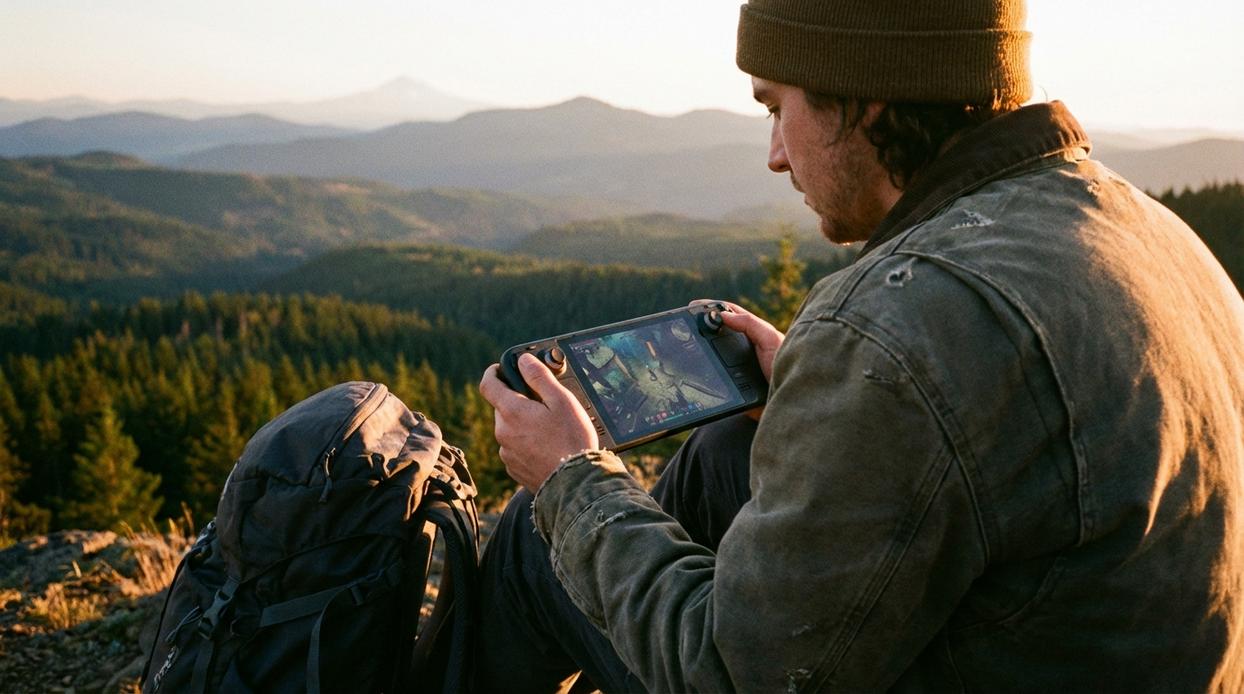
You know that feeling when you just want to unwind after a long day?
That’s what cozy gaming is all about.
These are games built around low-stress mechanics. No timers counting down. No enemies jumping out to attack you. Just you, some crafting systems, and maybe a virtual garden to tend.
Think of it as the opposite of competitive shooters.
The numbers tell a pretty clear story.
Animal Crossing: New Horizons sold over 42 million copies as of 2023. Stardew Valley, made by one person, has moved more than 20 million units since 2016. These aren’t small indie projects flying under the radar anymore.
They’re massive commercial hits.
What’s interesting is who’s playing these games. The demographic shift is real. People who never touched a controller before are now spending hours decorating virtual homes and planting crops.
My mom plays Stardew Valley. That should tell you something.
Palia launched in 2023 and proved that the cozy MMO concept works. Players want spaces where they can hang out, build communities, and express themselves without worrying about kill/death ratios.
Here’s where it gets really interesting though.
AAA studios are paying attention. You’re seeing detailed base-building systems pop up in games that used to be all about combat. Farming mechanics in RPGs. Customizable home spaces in action games.
Even if you’re thinking about which game engine should i use tportgametek for your own project, cozy elements are worth considering. The market clearly wants them.
The tportgametek game trends from theportablegamer show this isn’t slowing down either. Cozy gaming carved out its space and it’s here to stay.
Trend #4: Fair Monetization and the Player-First Live Service Model
Some publishers will tell you that aggressive monetization is just how live-service games work.
That you need loot boxes and pay-to-win mechanics to keep the lights on.
I’m here to tell you they’re wrong.
The backlash is real. Players are tired of getting nickel-and-dimed for basic features. They’re sick of watching someone drop $200 and dominate matches because they bought better gear.
And they’re voting with their wallets.
Look at what happened with Helldivers 2. The game launched at a fair price point with a complete experience. No predatory tactics. No gambling mechanics disguised as “surprise mechanics.” Just a solid game where you could earn everything through play.
The result? Massive commercial success and a fanbase that actually defends the game online.
That’s the shift I’m seeing across tportgametek game trends from theportablegamer right now. The studios winning aren’t the ones squeezing every dollar out of players. They’re the ones building trust.
Battle passes are evolving too. The old model where you had to grind or lose your investment? That’s dying. Smart developers are switching to passes that don’t expire and stick to cosmetics only.
They respect your time. They respect your money.
Here’s what I recommend you look for in live-service games going forward. Does the base game feel complete? Can you earn premium content through gameplay? Are cosmetics the only paid items?
If the answer is yes, you’re probably looking at a game that wants fans, not just credit card numbers.
Check out best game tutorials tportgametek for guides on getting the most value from these player-friendly titles.
Trend #5: Cloud Gaming Finally Finds Its Niche
Remember when cloud gaming was supposed to kill consoles?
Yeah, that didn’t happen.
But here’s what did happen. Services like Xbox Cloud Gaming and GeForce NOW quietly figured out what they’re actually good at.
The big problem was always latency. You’d press a button and your character would respond a split second later. That lag made fast-paced games feel awful. (Try playing a fighting game when your inputs arrive late. It’s miserable.)
Most of those issues are solved now. The tech caught up.
So what’s the real use case? It’s pretty simple. Cloud gaming lets you play AAA titles on devices that have no business running them. Your old laptop that can’t handle modern graphics? Now it can stream Cyberpunk 2077. Your phone during a lunch break? You can jump into Starfield.
That’s where cloud gaming actually shines.
And here’s the part that makes it stick. Subscription services like Game Pass bundle cloud gaming right in. You get instant access to hundreds of games without downloading a single one. No waiting. No storage management. Just pick and play.
Some people argue this is just a gimmick. They say real gamers want local hardware and maximum performance. Fair point. If you’re competitive or care about every frame, you probably still want a dedicated setup.
But for everyone else? Cloud gaming solves a real problem. It opens up tportgametek game trends that were locked behind expensive hardware requirements.
The barrier to entry just dropped way down.
A More Accessible and Dynamic Future
You’ve seen the five trends reshaping gaming right now.
AI that adapts to how you play. Cross-progression that follows you everywhere. Cozy games that let you breathe. Monetization that doesn’t feel like a shakedown. Cloud streaming that actually works.
These aren’t separate movements. They’re all pointing the same direction.
Gaming is becoming more player-centric. You get to decide how and where you play. The industry is finally listening to what we’ve been asking for.
I’ve watched these tportgametek game trends from theportablegamer emerge over the past year. Each one makes gaming more accessible to more people.
The best part? They’re converging.
You’ll soon have games that learn your preferences, follow you across devices, respect your time and wallet, and run anywhere you want. That’s not some distant future. It’s happening now.
These changes mean richer experiences for everyone. More personalized gameplay. More convenience. More ways to connect with the games and communities you love.
Keep an eye on these trends as they develop. They’re shaping the games you’ll be playing tomorrow. Homepage.