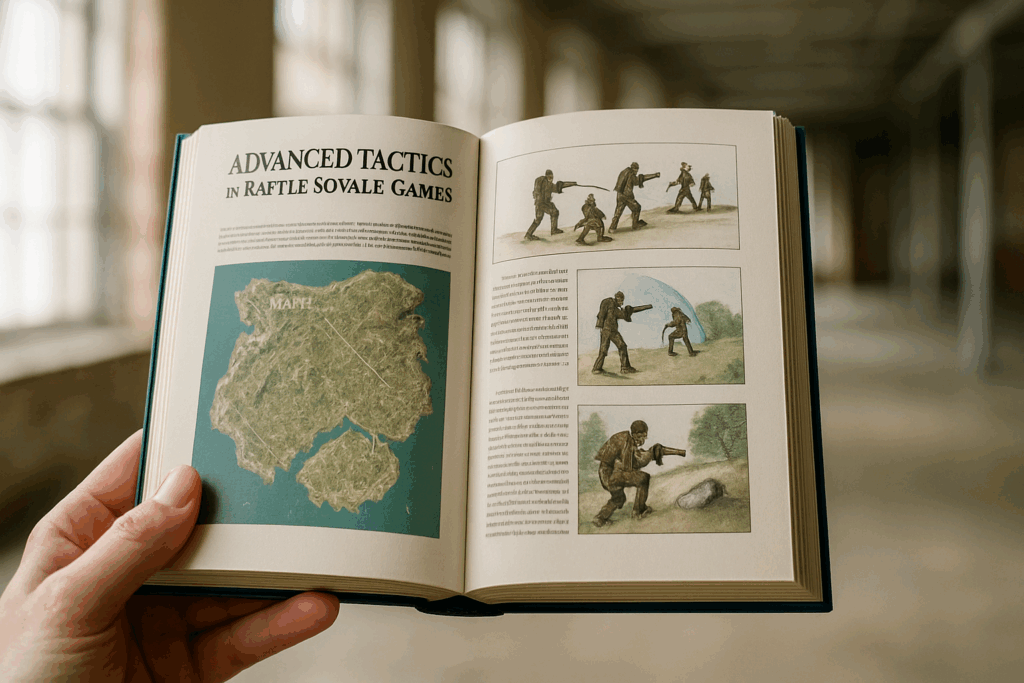
Play the Circle, Not the Clock
Rotating early is how squads survive to endgame but rotation without a plan is just rushing toward death faster. The goal is simple: move before the masses do, but stay under the radar. That means hugging terrain, using cover, and avoiding high traffic zones when the circle starts closing. Don’t just follow it anticipate it. Look ahead and ask: where will players funnel from, and where can we beat them without walking into a meat grinder?
Reading the map isn’t about luck. Start paying attention to zone patterns. Most engines have some logic baked in; zones favor certain quadrants or avoid outlier corners. Watch previous zones, clock the direction of the first two collapses, and triangulate an educated guess. That gives your squad the edge not just a safe move, but a strategic one.
As for where to land in the final phases, don’t just bolt to center zone every time. It’s tempting, but central doesn’t mean safe. Instead, weigh center vs. high ground. Height gives vision, control, and easier defense. Center gives reduced travel, but you’ll be surrounded. If your squad is down a member or light on utility, prioritize the high ground. Play edge, pick your fights, own your angle and watch desperate squads collapse in from below. Smart rotations win games. Loud ones don’t.
Weapon Loadouts That Actually Win Games
The best players don’t just grab whatever looks shiny. Winning squads build their loadouts with surgical precision balancing range, speed, and versatility. You need a setup that flexes across close corners, long lanes, and those mid range pressure fights that decide who walks out and who spectates. Think SMG paired with a marksman rifle, or a mobile AR with a dependable shotgun off hand. It’s about adapting, not just blasting.
Ammo matters more than people admit. You can’t trade out three team fights if you’re running dry in the second. Weapons that share ammo pools or have spammable rates sound good on paper until you’re out of bullets in a live zone. Efficient, mixed caliber weapons that let you stretch your resources will keep you breathing long enough to cash in.
Then there’s the swap game. Knowing when to reload versus when to hot swap to your secondary is the kind of micro decision that decides who stays up. Build muscle memory and keep your second slot weapon primed don’t panic reload mid fight when you could be finishing that last opponent instead. Weapon readiness beats empty bravado every time.
Positioning: The Silent Game Changer
Survival in battle royale isn’t just about who shoots first it’s about who shows up in the right place at the right time. That starts with understanding how to play cover vs. edges.
Playing cover means you’re patient. You pick buildings, rocks, ridgelines any spot that gives concealment and protection. You wait for enemies to expose themselves while you stay tucked in. It’s slower paced, but it works when the zone’s on your side. Now, edges are where the pressure builds. Playing the perimeter of the zone keeps third parties behind you to a minimum, but you have to be sharp. There’s less room for error and fewer options for retreat. Good edge play means sharp rotations and an even sharper radar.
Then there’s the third party dilemma jump into a messy fight for easy kills, or wait it out? A blunt rule: if you hear gunfire and you’re within sprint distance, sometimes it’s worth crashing the party. But make sure you have the high ground, or at least a fast escape plan. No one wants to be the third party that turns into the fourth body on the floor.
Holding power positions comes last but it’s what seals wins. Those elevated buildings, zone favored hills, or bottlenecks with sightlines? They’re gold. Just don’t announce you’re there. Silence matters. Doors closed. Movement minimal. No wild peeking. If you’re in power, act subtle. Let ambition kill the others while you stay above the chaos.
It’s chess, not checkers. Every step is pressure. That’s positioning.
Decision Making Under Fire

Fast decisions win fights. If your squad’s caught in a scrap, you don’t get time to debate. You either push, pull, or flank and you do it with intent. Pushing works when you’ve cracked armor or have a numbers advantage. Flanking is for repositioning and surprise, hitting opponents where they’re soft. Pulling back? That’s not weakness it’s how you avoid getting wiped when the odds tilt. Choose fast, move faster.
Revives are tricky. If you can cover your teammate without exposing yourself, go for it. But if the area’s hot and you’re both likely to go down, cut your losses and fall back. Playing hero for a revive often leads to a squad wipe. Know when to let it go.
Mid fight decisions live and die on awareness. Are enemies getting third party pressure? Is one splitting off or overextending? Use that. Adjust your plan moment to moment. The right move at the wrong time is still wrong.
Think fast, act clean, and move like a unit.
(New to FPS games? Start here: FPS Beginner Guide)
Sound Wins Fights
In Battle Royale games, sound is intel. Footsteps? They’re the loudest giveaway. Learn the difference between crouch walking and sprinting based on step cadence. Know how to judge distance closer sounds have tighter reverb and sharper impact. Indoors versus outdoors? It changes everything. In tight spaces, every bootstep echoes more. On open terrain, footfall can vanish with wind or gunfire.
Directional audio gives you a tactical edge. With a proper headset or tuned surround, you can pinpoint where that enemy is camping. Use that. Hear them moving right? Cut left and flank. You can also weaponize this walk loud to bait them into bad angles, or go dead silent and catch them while they ADS.
Now for comms. Poor callouts get people killed. Keep it clean: location, movement, enemy count. Not, “HE’S RIGHT THERE!” Clarity beats chatter. Everyone needs to know what’s happening before it happens. Good communication can shut down chaos before it starts.
Bottom line? The squad that hears better and talks smarter usually wins.
Psychological Warfare & Mindgames
In high stakes lobbies, strategy alone won’t cut it you need to get inside enemy heads. One way to do that? Baiting. Walk loudly around corners or sprint into cover without peeking. Make them think you’re pushing when you’re not. Footstep bait is especially effective in tight buildings. Add in the sound of a fake revive and you’ve created just enough chaos for an ambush or a clean escape.
Another trick: make your squad look bigger than it is. Toss extra smoke grenades. Audio bait with pings, footsteps, or back to back tactical cues to suggest you’re coordinating with multiple players. More than once, duos have scared off full squads just by sounding organized and aggressive.
Rotations can mess with enemy rhythm too. Most players move in straight, predictable lines zone to zone. Break that. Wrap wide to attack from unexpected directions. Pause mid rotation to scan for third party chances. Or backtrack and fake a retreat before circling in from the opposite angle. The more unpredictably you move, the harder you are to pin down or trap.
Smart plays don’t just win fights they leave opponents second guessing every one after.
Rewatch, Rethink, Reinvent
Most players only rewatch the matches they lost. That’s a mistake. Wins deserve just as much scrutiny. Why? Because habits good and bad show up in every game. A lucky win might hide weak decision making. If you never review your victories, you’ll miss those cracks. Start treating your wins like experiments, not trophies.
Pinpoint where you hesitated or overcommitted. Were you late on a flank call? Did you push too deep chasing a kill? Use timeline scrubbing to mark key moments: fights, revives, rotations. Look for missed voice calls or sloppy positioning. Small lapses build up, and the only way to clean them up is to catch them first.
And don’t forget the team dynamic. Watch how you move together, cover each other, and share information. Tools like KovaaK’s or Aim Lab can aid with individual performance, but for team synergy, simple screen recording and comm reviews work best. Assign a role check sniper, anchor, scout. Is everyone playing their lane? If not, you’ve got your next tweak.
Want to sharpen the basics? Check the full FPS Beginner Guide.

 Dannyer Cotterosie is the kind of writer who genuinely cannot publish something without checking it twice. Maybe three times. They came to esports tournament updates through years of hands-on work rather than theory, which means the things they writes about — Esports Tournament Updates, Latest Gaming News, Strategy Guides and Tips, among other areas — are things they has actually tested, questioned, and revised opinions on more than once.
That shows in the work. Dannyer's pieces tend to go a level deeper than most. Not in a way that becomes unreadable, but in a way that makes you realize you'd been missing something important. They has a habit of finding the detail that everybody else glosses over and making it the center of the story — which sounds simple, but takes a rare combination of curiosity and patience to pull off consistently. The writing never feels rushed. It feels like someone who sat with the subject long enough to actually understand it.
Outside of specific topics, what Dannyer cares about most is whether the reader walks away with something useful. Not impressed. Not entertained. Useful. That's a harder bar to clear than it sounds, and they clears it more often than not — which is why readers tend to remember Dannyer's articles long after they've forgotten the headline.
Dannyer Cotterosie is the kind of writer who genuinely cannot publish something without checking it twice. Maybe three times. They came to esports tournament updates through years of hands-on work rather than theory, which means the things they writes about — Esports Tournament Updates, Latest Gaming News, Strategy Guides and Tips, among other areas — are things they has actually tested, questioned, and revised opinions on more than once.
That shows in the work. Dannyer's pieces tend to go a level deeper than most. Not in a way that becomes unreadable, but in a way that makes you realize you'd been missing something important. They has a habit of finding the detail that everybody else glosses over and making it the center of the story — which sounds simple, but takes a rare combination of curiosity and patience to pull off consistently. The writing never feels rushed. It feels like someone who sat with the subject long enough to actually understand it.
Outside of specific topics, what Dannyer cares about most is whether the reader walks away with something useful. Not impressed. Not entertained. Useful. That's a harder bar to clear than it sounds, and they clears it more often than not — which is why readers tend to remember Dannyer's articles long after they've forgotten the headline.