

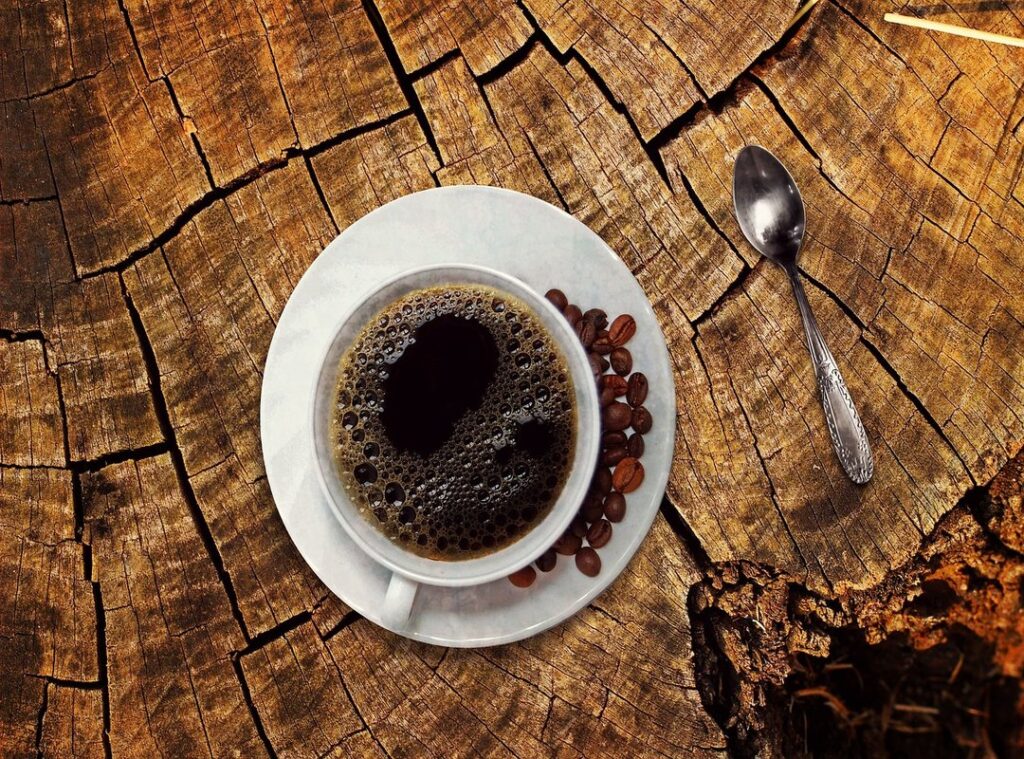
I was brewing a fresh cup of coffee the other day, expecting that rich, clear color. But instead, I got a hazy, cloudy appearance. Is this normal?
Is my coffee bad? Why does this happen specifically with my Brazilian beans?
These are the questions that probably popped into your head too. In this guide, I’ll demystify the phenomenon of cloudy coffee brazil.
We’ll dive into the science behind the cloudiness and its connection to Brazilian coffee processing. You’ll also learn how it impacts the final taste. By the end, you’ll know whether to embrace the haze or how to brew a clearer cup.
Decoding the Cloud: The Science Behind Hazy Coffee
You ever wonder why some coffee looks cloudy? It’s not just a fluke, and there’s real science behind it.
Fine coffee particles (fines) and natural coffee oils (lipids and colloids) are the main culprits. These tiny bits and oils can pass through filters, making your brew look hazy.
Think of it like unfiltered apple cider. You know how it’s cloudy compared to clear apple juice? Same idea with coffee.
Different brewing methods play a big role. Immersion methods like French Press let more oils and fines through, leading to a cloudier cup. I once had a friend who said, “My French Press coffee is like a foggy morning in San Francisco.”
On the other hand, drip methods using paper filters trap most of these particles, giving you a clearer brew. A barista at my local café told me, “If you want clarity, go for the paper filter. It’s like a sieve for your coffee.”
Now, don’t confuse this general cloudiness with the crema on an espresso. Crema is that rich, foamy layer on top of a well-pulled shot. It’s desirable and adds to the flavor.
A coffee connoisseur I spoke to said, “Crema is the crown jewel of espresso, but it’s not the same as a cloudy brew.”
Water hardness, or mineral content, can also play a minor role. Another coffee expert mentioned, “Hard water can sometimes make your coffee look a bit hazier, but it’s a small factor compared to the fines and oils.”
So, next time you see a cloudy coffee Brazil, you’ll know it’s all about those fine particles and oils. And remember, a little cloudiness isn’t always a bad thing.
The Brazil Connection: Why These Beans Are Prone to Haze
When you pour a cup of Brazilian coffee, you might notice something unusual. It’s cloudy. Not in a bad way, but it’s definitely not the crystal-clear brew you might be used to.
Let’s talk about why that happens. Natural and pulped natural processing methods are very common in Brazil. In these methods, the coffee cherry fruit is left to dry on the bean.
This process allows more oils and soluble solids to be absorbed by the bean.
Brazil’s lower altitudes and specific coffee varietals also play a role. These conditions lead to beans with a naturally higher lipid content. Compare this to high-altitude washed coffees, which tend to be cleaner and clearer.
- Natural processing: The whole cherry dries on the bean.
- Pulped natural: The skin is removed, but the mucilage remains and dries on the bean.
More oils + more soluble solids from processing = a higher likelihood of a cloudy cup.
But here’s the kicker. This cloudiness is not a sign of low quality. It’s a direct result of the terroir and processing that gives Brazilian coffee its signature nutty, chocolatey notes and heavy body. cloudy coffee brazil
Think of it like the difference between a clarified butter and a whole butter – both are good, but one has more milk solids left in it. Cloudy coffee brazil is just a different, rich experience.
Cloudy vs. Clear: How It Impacts Flavor, Body, and Safety

Is cloudy coffee safe to drink, and absolutely. It’s perfectly safe and a natural part of the coffee.
Cloudy coffee comes from the oils and solids that give it a heavier, richer mouthfeel and a fuller body. These elements can enhance the flavor, making it more robust and intense.
A clear cup, on the other hand, is often described as ‘cleaner’ and ‘brighter.’ It has a more delicate flavor separation, which some people prefer. Think of it like choosing between smooth or crunchy peanut butter—it’s all about what you like.
Cloudy coffee might have more pronounced nutty or chocolatey notes. But if there are too many fines, it can sometimes taste ‘muddy.’ This is especially true with methods like French Press, where sediment can collect at the bottom of the cup.
If you’re into a richer, bolder flavor, go for the cloudy coffee brazil. If you prefer a cleaner, more nuanced taste, stick with a clear brew.
Ultimately, it’s a matter of personal preference. Experiment with both and see which one hits the spot for you.
Your Guide to Brewing a Cleaner Cup of Brazilian Coffee
I was at a coffee shop the other day, and the barista said, “You know, a lot of people come in asking how to get rid of that cloudy look in their coffee.” If you’re one of those people, here’s what you need to do.
Tip 1: Change your filter. Using a paper filter, like in a V60, Kalita Wave, or standard drip machine, is the most effective way to trap oils and fines.
One of my friends, a coffee enthusiast, told me, “Switching to a paper filter made all the difference. It’s like night and day.”
Tip 2: Adjust your grind. Avoid grinding too fine, as this creates more fines that can slip through even metal filters. A medium-coarse grind works best for a French Press.
Tip 3: Refine your technique. For French Press users, let the grounds settle for a minute after brewing before plunging. And don’t pour out the very last bit from the carafe.
A local coffee expert once advised, “Letting the grounds settle helps separate the sediment, giving you a cleaner cup.”
Tip 4: Try a different roast. Sometimes, a medium roast might present differently than a dark roast of the same Brazilian bean. Experiment with different roasts to see which one gives you the clarity you want.
By following these tips, you can say goodbye to cloudy coffee brazil and enjoy a clearer, more enjoyable cup.
Embrace the Brew: Finding Your Perfect Brazilian Cup
cloudy coffee brazil is not a flaw but a feature of its origin and processing. This cloudiness contributes to the rich body and texture that many people love in Brazilian coffees. Experiment with the brewing tips provided to tailor your cup to your exact preference.
Understanding the ‘why’ behind your coffee enhances the entire experience, making each sip more meaningful.

 Bridgette Milleropes is the kind of writer who genuinely cannot publish something without checking it twice. Maybe three times. They came to latest gaming news through years of hands-on work rather than theory, which means the things they writes about — Latest Gaming News, Comprehensive Game Reviews, Upcoming Releases and Announcements, among other areas — are things they has actually tested, questioned, and revised opinions on more than once.
That shows in the work. Bridgette's pieces tend to go a level deeper than most. Not in a way that becomes unreadable, but in a way that makes you realize you'd been missing something important. They has a habit of finding the detail that everybody else glosses over and making it the center of the story — which sounds simple, but takes a rare combination of curiosity and patience to pull off consistently. The writing never feels rushed. It feels like someone who sat with the subject long enough to actually understand it.
Outside of specific topics, what Bridgette cares about most is whether the reader walks away with something useful. Not impressed. Not entertained. Useful. That's a harder bar to clear than it sounds, and they clears it more often than not — which is why readers tend to remember Bridgette's articles long after they've forgotten the headline.
Bridgette Milleropes is the kind of writer who genuinely cannot publish something without checking it twice. Maybe three times. They came to latest gaming news through years of hands-on work rather than theory, which means the things they writes about — Latest Gaming News, Comprehensive Game Reviews, Upcoming Releases and Announcements, among other areas — are things they has actually tested, questioned, and revised opinions on more than once.
That shows in the work. Bridgette's pieces tend to go a level deeper than most. Not in a way that becomes unreadable, but in a way that makes you realize you'd been missing something important. They has a habit of finding the detail that everybody else glosses over and making it the center of the story — which sounds simple, but takes a rare combination of curiosity and patience to pull off consistently. The writing never feels rushed. It feels like someone who sat with the subject long enough to actually understand it.
Outside of specific topics, what Bridgette cares about most is whether the reader walks away with something useful. Not impressed. Not entertained. Useful. That's a harder bar to clear than it sounds, and they clears it more often than not — which is why readers tend to remember Bridgette's articles long after they've forgotten the headline.